Morocco is a year-round destination, but the experience changes a lot with the seasons. The coast is mild all year, the Sahara is hot in summer and cold on winter nights, and the High Atlas can be snowy from December to March. Here is our month-by-month guide, from a local team that travels these roads every week.
At a glance. Best overall: March–May and September–November · Best for the Sahara: October–April · Best for the coast: May–October · Hottest: July–August inland · Coolest nights: December–February in the desert and mountains.
Morocco’s seasons at a glance
- Spring (March–May): green valleys, almond and rose blossom, warm days everywhere. Perhaps the best time of all.
- Summer (June–August): very hot in Marrakech, Fes and the desert (often above 40 °C); fresh and pleasant on the Atlantic coast and in the mountains.
- Autumn (September–November): warm days, golden light, dates harvested in the oases and comfortable nights in the Sahara.
- Winter (December–February): sunny, mild days in the cities, snow on the High Atlas and cold desert nights – lovely with a fire in your riad.
Month by month
January and February
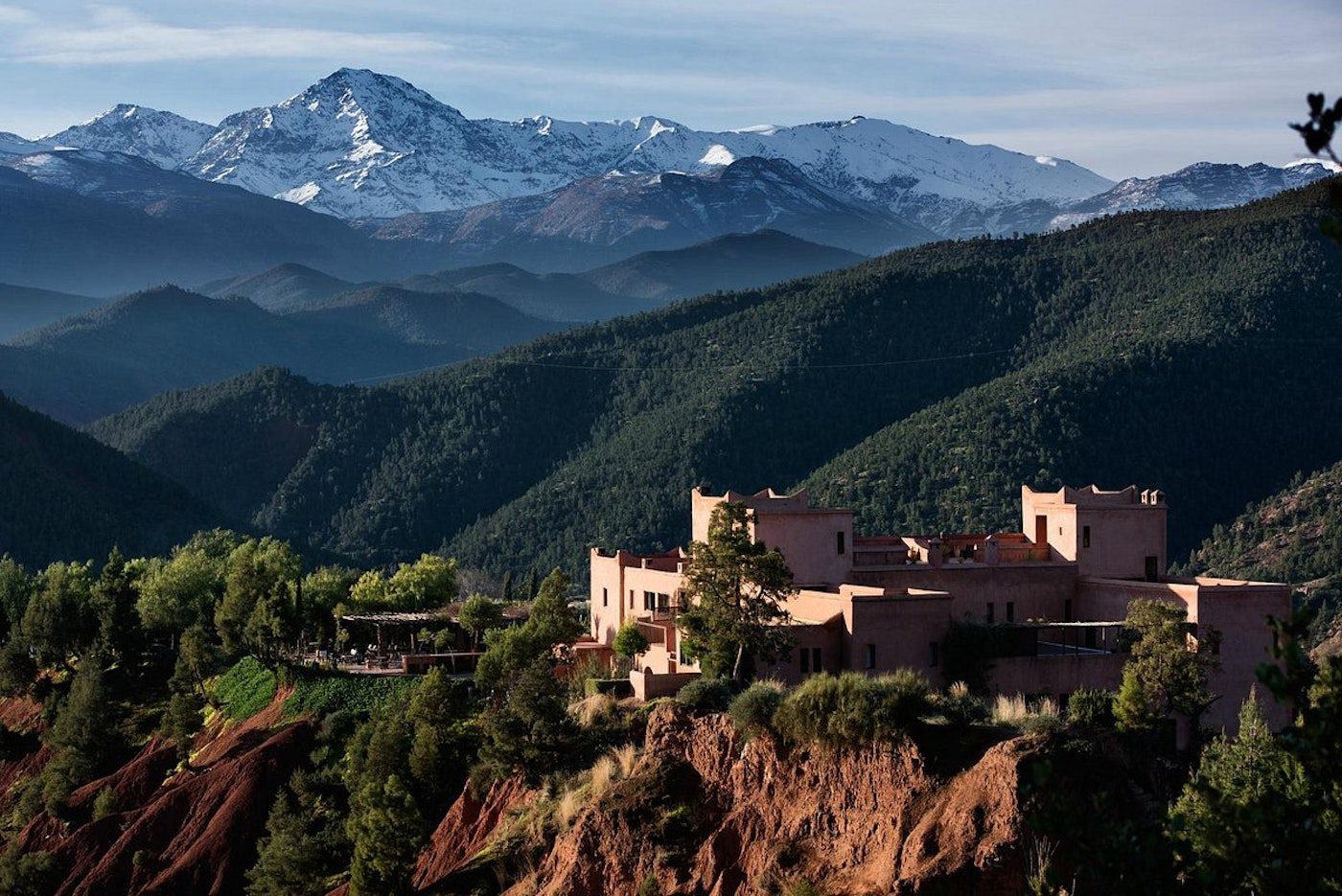
Cool and bright. Marrakech is often sunny at around 18–20 °C during the day, but nights are cold, especially in the desert, where they can drop close to freezing. Snow on the High Atlas makes the mountain views spectacular. A quiet, good-value time to travel if you pack warm layers.
March
Spring arrives: almond blossom in the Atlas valleys, green fields and comfortable temperatures. One of our favourite months for a grand tour, though nights in the Sahara are still cool.
April and May

Arguably the best months of the year. Warm everywhere, flowers in the gardens of Marrakech, and in May the Rose Festival in Kelaat M’Gouna in the Dades Valley. The desert is warm by day and pleasant at night. Book early – this is high season.
June
Getting hot inland, particularly in the desert, so we plan early starts and long lunch breaks. The coast and the mountains are lovely, and the evenings in Marrakech are perfect for rooftop dinners.
July and August

Very hot in Marrakech, Fes and the Sahara, often above 40 °C. Travel is still possible – early mornings, air-conditioned car and hotels with pools – but we recommend spending more time on the breezy Atlantic coast in Essaouira and in the High Atlas. If you visit the desert, a single night is usually enough in midsummer.
September
Still warm, especially early in the month, but the heat eases and the light becomes golden. A beautiful month for the coast and the cities, and the desert becomes comfortable again by the end of the month.
October and November
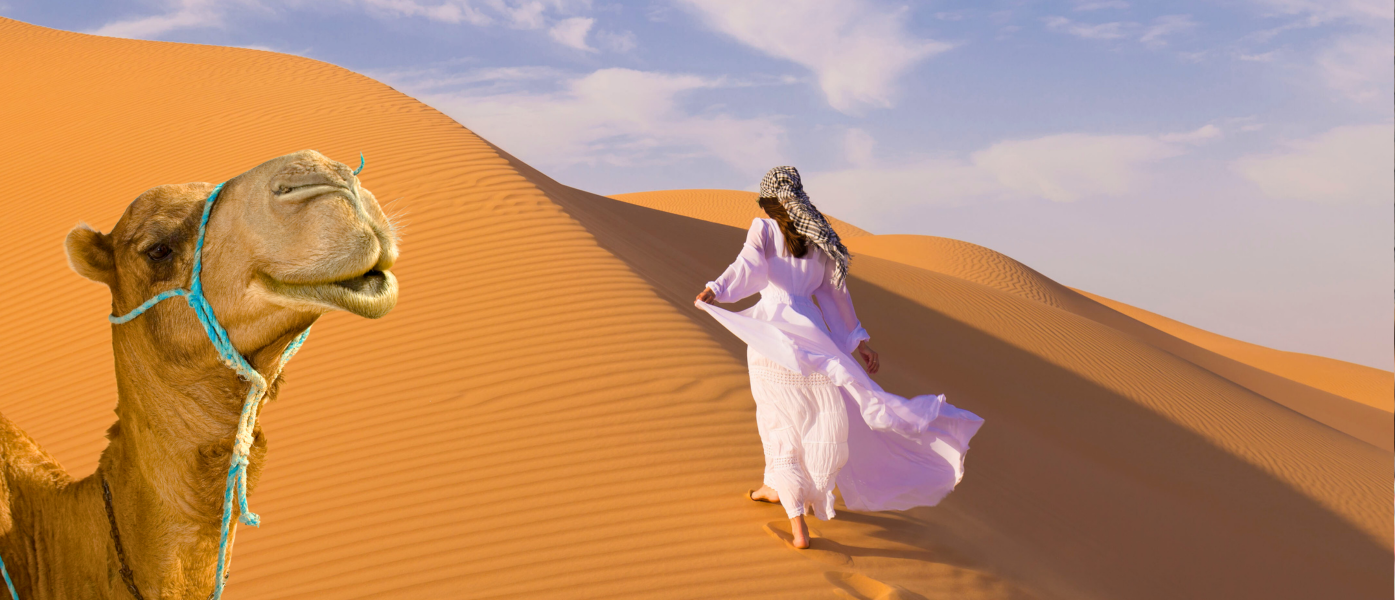
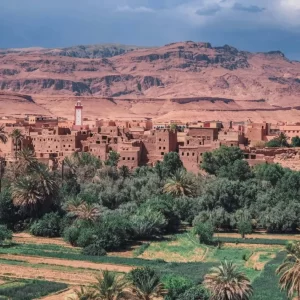
Excellent across the country: warm days, cooler nights, date harvests in the oases of the south and perfect conditions for the Sahara. October is one of the busiest months, so plan ahead.
December
Mild and sunny in the cities, crisp in the desert and the mountains. The Christmas and New Year period is very popular, especially in Marrakech and in the desert camps, so book at least 4–6 months ahead.
Best time for each region
- Marrakech: March–May and October–November. See the best things to do in Marrakech.
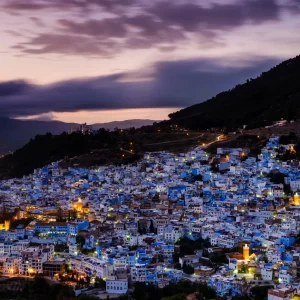
- Fes and Chefchaouen: April–June and September–October.
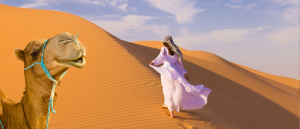
- The Sahara (Merzouga): October–April; avoid the peak of summer if you can. Read how to plan a Sahara desert trip.
- The High Atlas: April–October for walking; December–March for snowy views.
- The Atlantic coast: May–October, when the inland heat makes the breeze a pleasure.
Ramadan and public holidays

During Ramadan, which moves about 11 days earlier each year, Moroccans fast from dawn to sunset. Travelling is perfectly possible: hotels, riads and tourist restaurants stay open, and the evenings, when families break the fast, have a special atmosphere. Some museums and shops keep shorter hours, and we adjust your days accordingly. Eid celebrations at the end of Ramadan and Eid al-Adha are family holidays, with some closures for a day or two.
Our recommendation
If you can choose, travel between mid-March and May or between mid-September and November, and spend two nights in the Sahara. Whatever your dates, we plan the route around the season – more coast and mountains in summer, more desert and south in autumn and spring.
Plan the right trip for your dates
Tell us when you would like to travel and we will suggest the best route for that season. Browse our private Morocco tours, read our guide to luxury travel in Morocco or send us your dates – we reply the same day, often within an hour.
Frequently Asked Questions
What is the best month to visit Morocco?
April, May and October are the best months for most travellers: warm days, pleasant nights and comfortable conditions in the cities, the mountains and the Sahara.
Is it too hot to visit Morocco in summer?
Inland cities and the desert are very hot in July and August, often above 40 °C. With early starts, air-conditioned travel and more time on the coast and in the mountains, summer trips can still be very enjoyable.
When is the best time to visit the Sahara?
From October to April. Days are warm and nights are cool, which is perfect for camel rides and nights in a desert camp. In winter, bring warm layers for the evenings.
Does it snow in Morocco?
Yes. The High Atlas usually has snow from December to March, and you can see snowy peaks from Marrakech on clear days.
Is it a good idea to travel during Ramadan?
Yes, as long as you are respectful. Hotels and tourist restaurants stay open, and experiencing the evening iftar atmosphere is memorable. Some opening hours are shorter.
Continue reading: 15 best things to do in Morocco and a 10-day Morocco itinerary.